What's the Sitch?
Situational Awareness, another case of duration mismatch
Situational Awareness were reportedly forced to unwind their positions worth tens of billions of dollars at a substantial discount because they were margin called.
They were long AI, short SaaS, with leverage reported as high as 4x. Both trades briefly moved against them and they got into trouble.
You could blame misfortune, volatility, leverage, hubris, or some combination.
In a recent episode of the Money Stuff podcast, I heard Matt Levine describe the cause of this predicament as a duration mismatch.
I found it interesting because the shape of SA’s risk looked very similar to a traditional bank’s (they too battle duration mismatch, something I wrote about earlier).
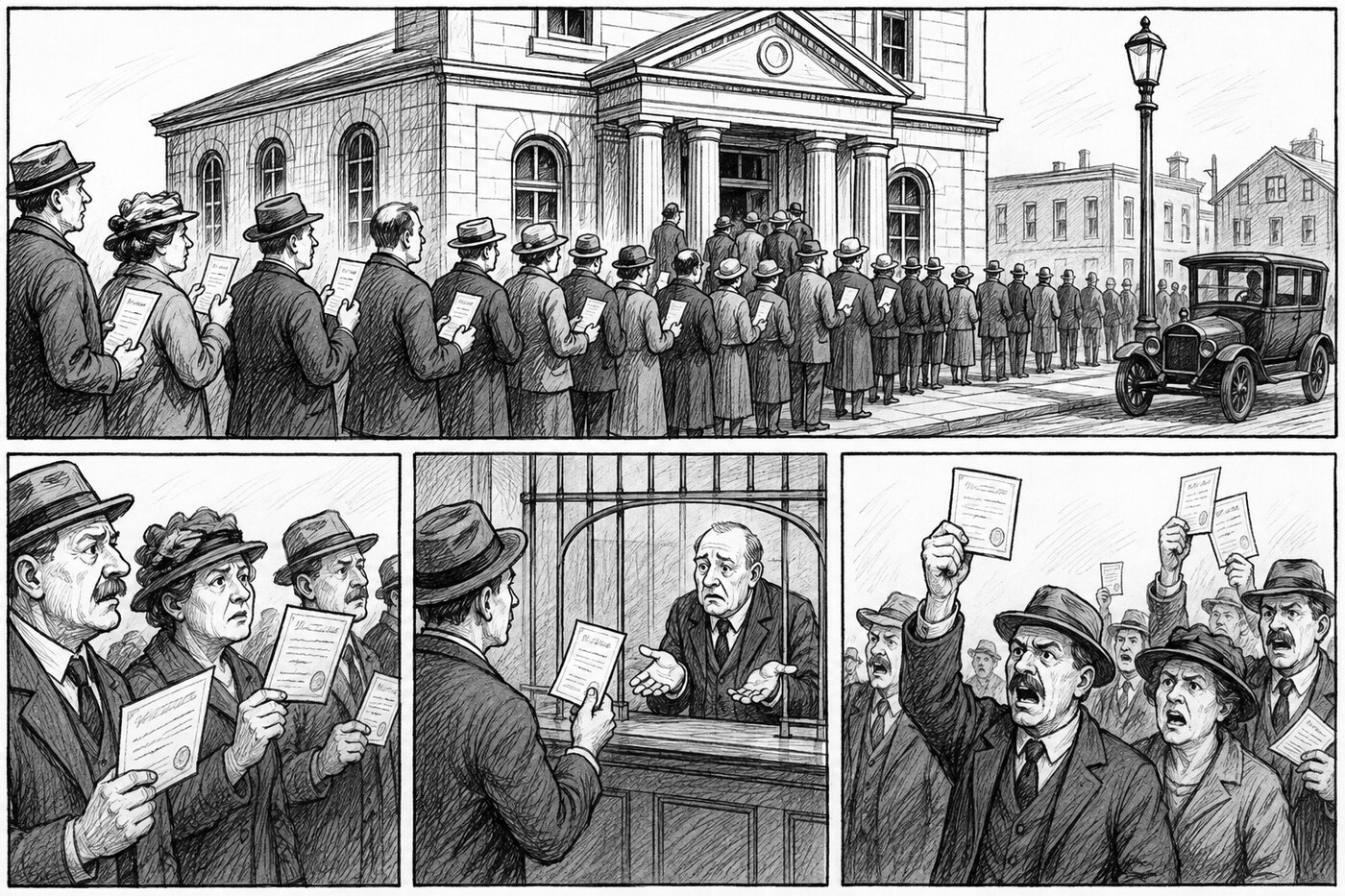 Depositors demand their money during a run.
Paraphrasing Matt here, “They procured short-term financing to take a long-term secular bet on AI.” (aka borrow short, to bet long)
More precisely, the cause isn’t the length of the duration but the uncertainty around it. A secular bet has an indeterminate endgame. You buy an underpriced asset and hold until the market comes around. Going in, you don’t know when you’ll get out.
A callable loan hands the lender a free option to collect at any time. And they will want the money back exactly when you need it most. Your trouble is their trigger.
A banker is a fellow who lends you his umbrella when the sun is shining, but wants it back the minute it begins to rain.
— Mark Twain
Saylor v. Aschenbrenner
Now let’s contrast this with another entity engaged in similarly risky behavior — Strategy, which is levered up on bitcoin.
Strategy borrows long to bet long.
They fund their bitcoin with convertible notes and perpetual preferred stock — STRK, STRF, STRD, and STRC. The notes mature years out. The preferreds don’t mature at all. Neither gives anyone the right to ask for the money back because bitcoin fell.
Strategy won’t blow up the same way Situation did — it will likely be different.
Further reading:
- Situational Awareness — Leopold Aschenbrenner’s thesis from 2024, the conviction.
- Lessons from Leo: The Dark Side of Investment Conviction — Aswath Damodaran on SA and playing indeterminate end games.
- Hedgehog Hedge Fund — the Money Stuff issue about SA.